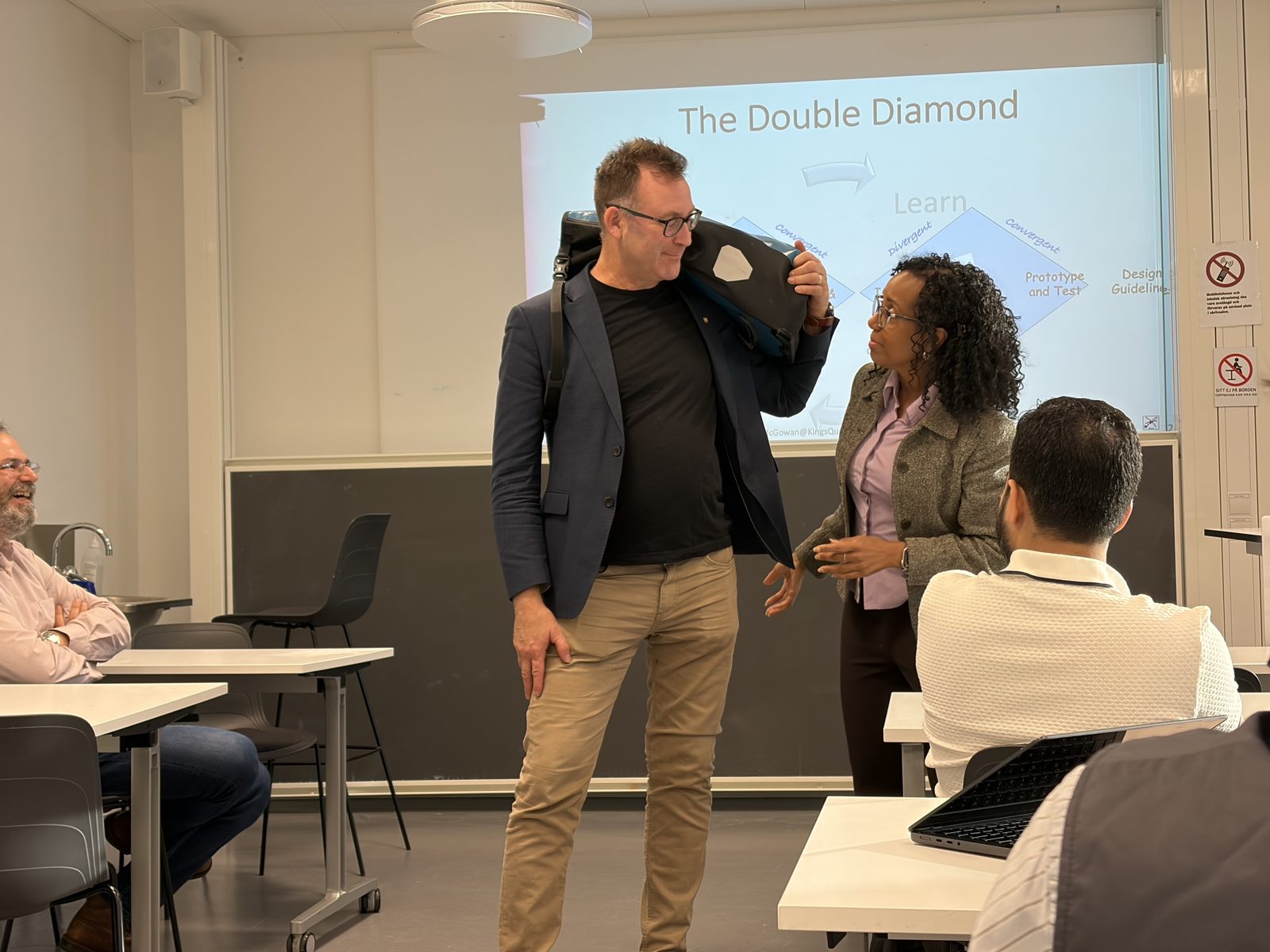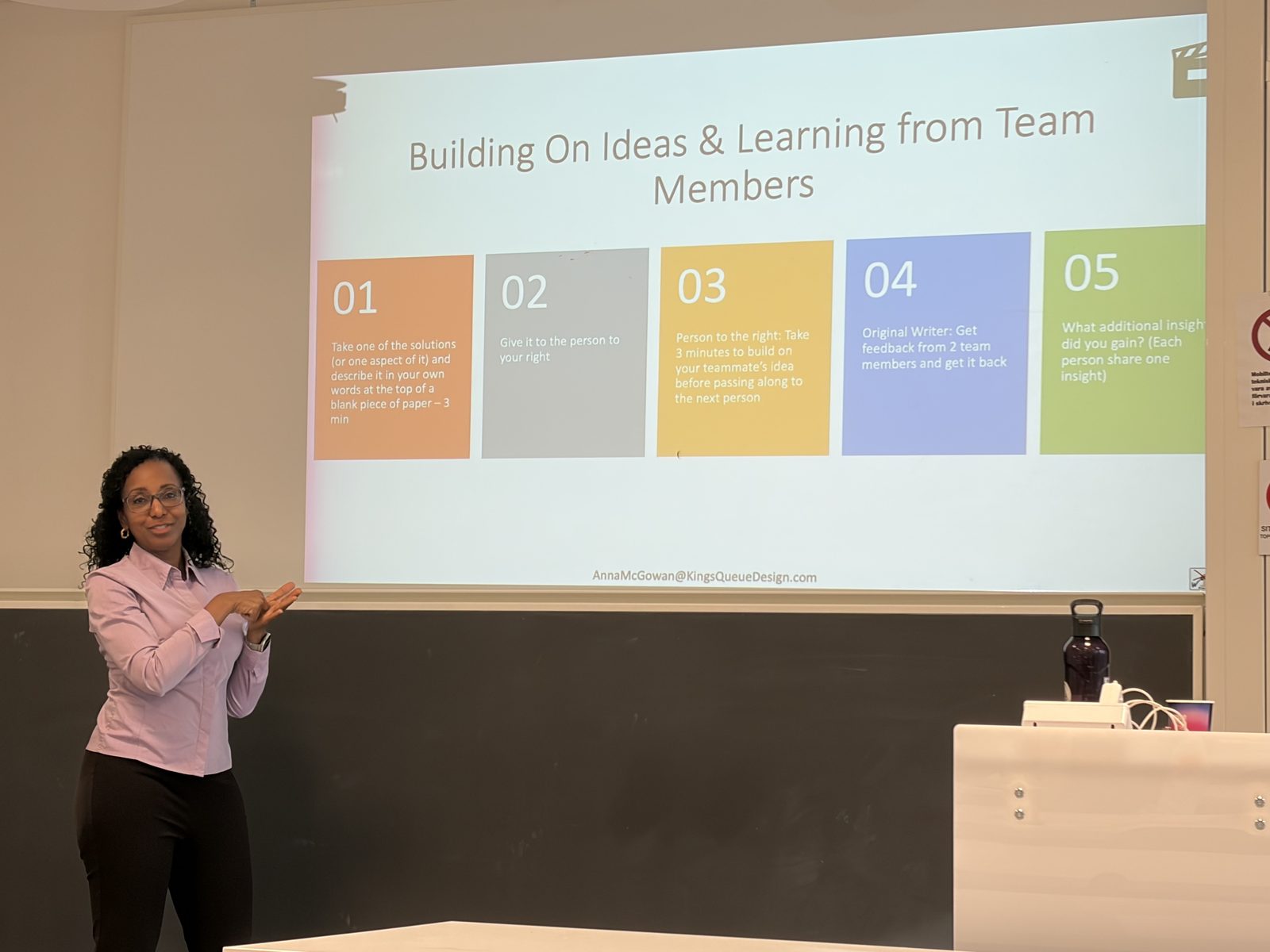
Dr Anna-Maria Rivas McGowan visited Chalmers University of Technology on 19 and 20 October 2026. She gave a session on navigating complexity in aerospace systems and a short course introducing design thinking for systems-level problems.
Operating in the unknown: navigating aerospace complexity (19 October)
The session explored systems-level approaches to navigating complex adaptive systems. Drawing on her experience leading multi-million-dollar projects at NASA, Dr Rivas McGowan discussed the challenges of managing complexity in aerospace and the importance of considering the system as a whole, rather than focusing on individual components. Key themes included understanding connections as networks, working with interdisciplinary teams, using backcasting to guide decisions, and accounting for emergence in system development.
She emphasised the importance of a systems-level perspective in understanding the interdependencies between components, stakeholders and decisions throughout the design process. This includes identifying and documenting assumptions, reframing problems as stakeholder needs and system requirements evolve, and recognising how local decisions can influence system-wide outcomes. Rather than attempting to eliminate emergence and uncertainty, the focus was on understanding how they shape system behaviour and accounting for them throughout development.
System design innovation, with an introduction to design thinking (20 October)
This short course explored how design thinking can be applied to systems-level problems, drawing on frameworks such as the Double Diamond and IDEO’s design thinking methods. Participants worked through the process of translating stakeholder input into needs, analysing problems, generating ideas and developing prototypes for testing and iteration. A key focus was translating customer statements into potential needs and refining them before moving towards solutions.
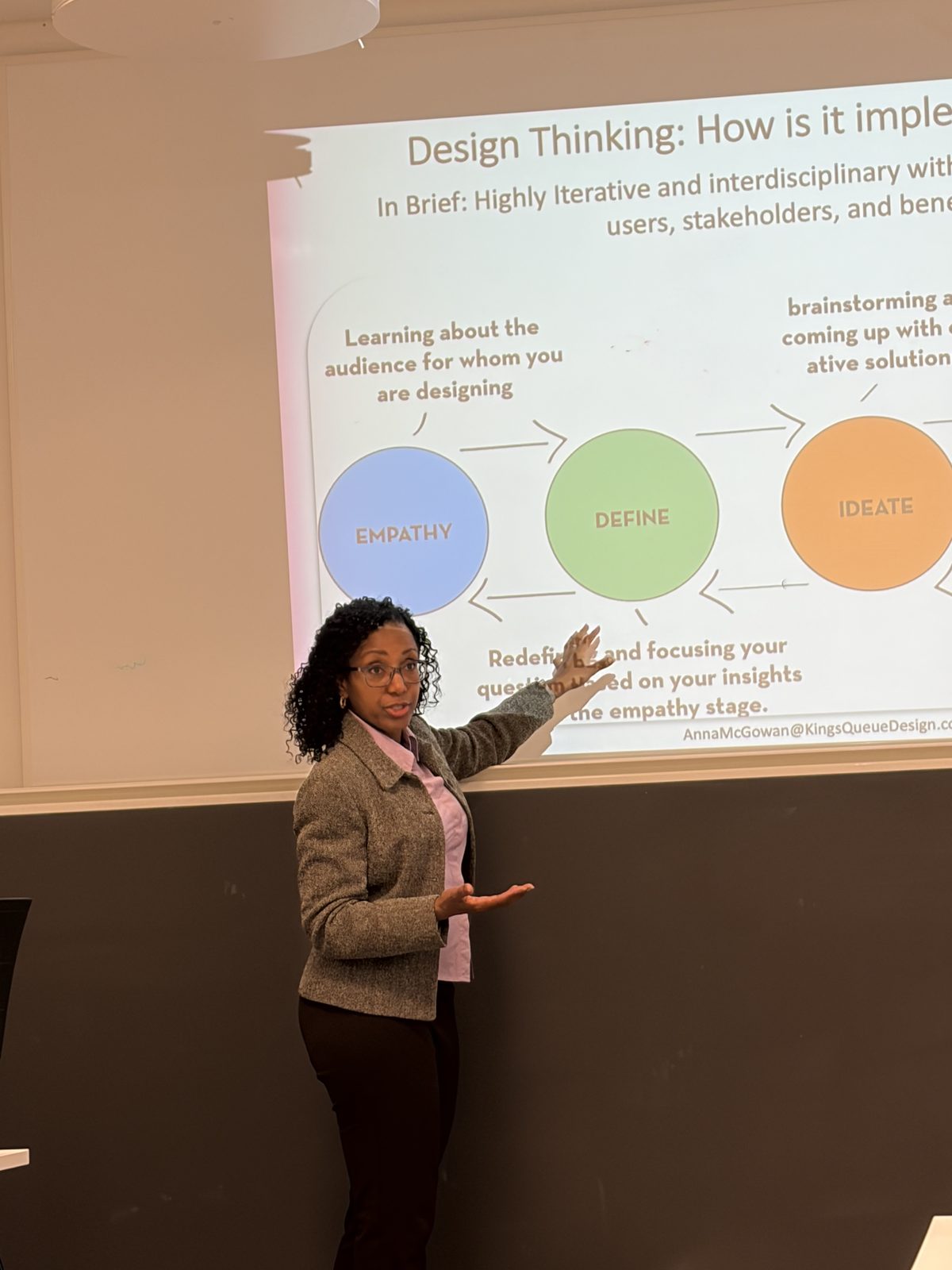
Through a systems design exercise, participants examined the scope and purpose of a system by considering what was being designed, why it was needed, for whom, and in what context it would be used. The exercise also involved mapping stakeholders, identifying their concerns and power users, developing personas, and using role play to explore different perspectives before reformulating the problem.
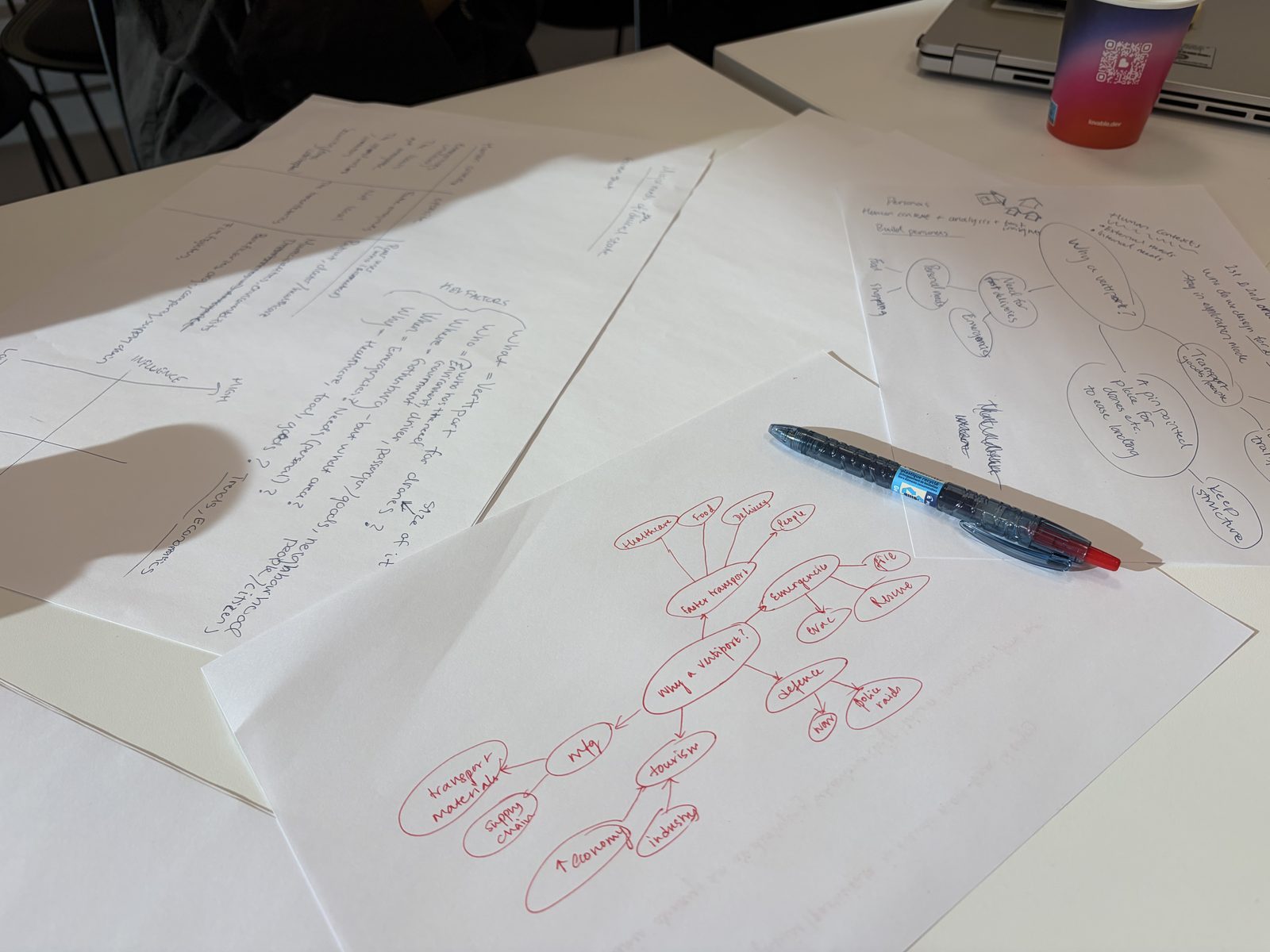
The course highlighted the importance of looking beyond first-order stakeholders, questioning system boundaries, and recognising biases that may influence problem formulation. It also demonstrated how prototypes can range from simple sketches and journey maps to complex physical systems, depending on what needs to be tested. Real-world examples connected these methods to practice, illustrating how a structured design thinking approach can help teams navigate competing needs and requirements when designing complex systems.